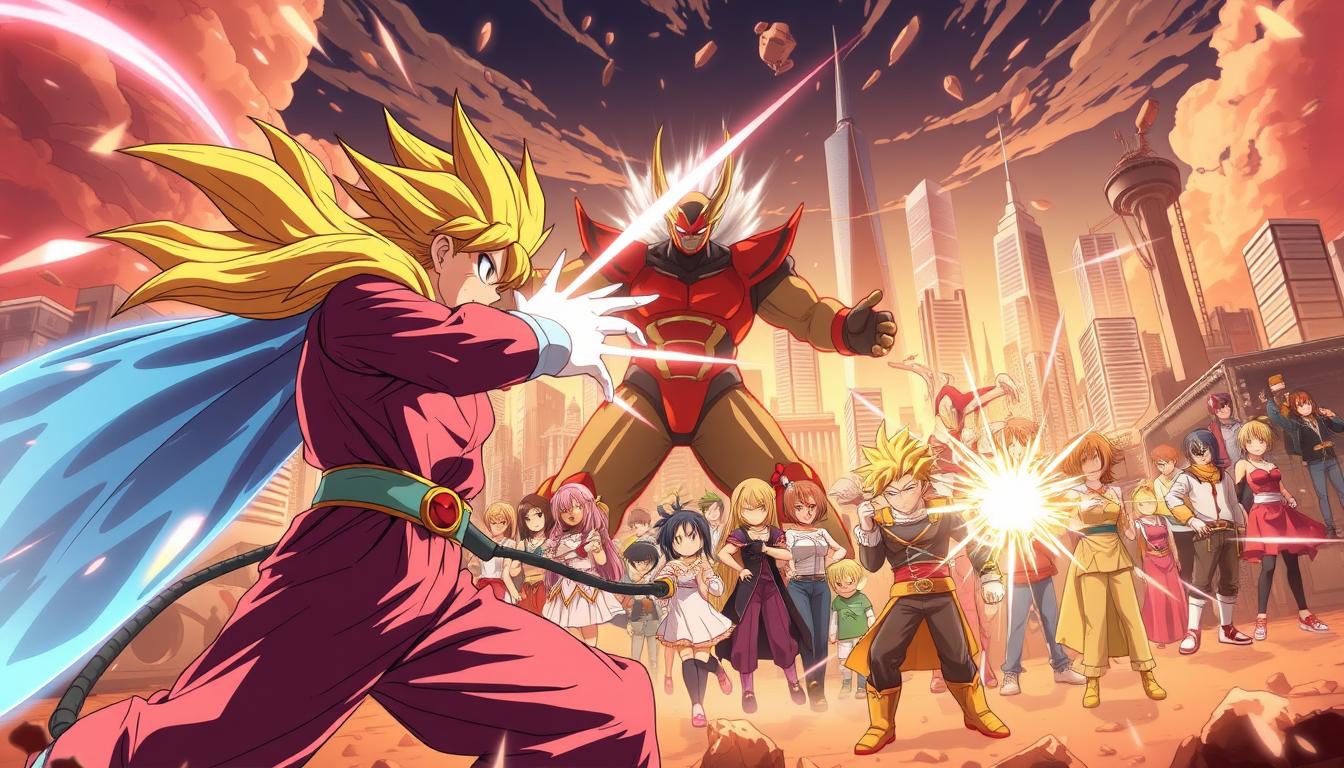
The intersection of Anime and Western Media has given rise to a fascinating cultural phenomenon, where influences, homages, and crossovers have become increasingly prevalent.
Anime and Western Media
This exchange has not only shaped the entertainment industry but also reflects the evolving tastes and preferences of global audiences. As a result, creators are now more inclined to draw inspiration from diverse sources, fostering a rich cultural tapestry.
The influence of anime on Western media is evident in various forms, from stylistic nods to outright collaborations, demonstrating the dynamic and reciprocal nature of this cultural exchange.
Key Takeaways
- The influence of anime on Western media is a significant cultural phenomenon.
- This exchange has shaped the entertainment industry and global audience preferences.
- Creators now draw inspiration from diverse sources, fostering a rich cultural tapestry.
- The intersection of anime and Western media reflects evolving global tastes.
- Collaborations and homages between anime and Western media are on the rise.
The Historical Journey of Anime in the West
Anime’s journey into the Western world began with pioneering exports that captivated audiences and paved the way for future generations. The introduction of anime to Western audiences marked a significant cultural exchange that would continue to evolve over the years.
Pioneering Anime Exports: Astro Boy to Speed Racer
The early days of anime in the West were characterized by groundbreaking series such as Astro Boy and Speed Racer. These shows were among the first to be exported from Japan, captivating Western audiences with their unique blend of animation and storytelling. Astro Boy, with its futuristic themes and robotic protagonist, was particularly influential, setting the stage for the popularity of anime in the West.

Anime influence on Western media
The Toonami Effect: Anime’s 1990s Western Explosion
The 1990s saw a significant surge in anime’s popularity in the West, largely due to the Cartoon Network’s programming block, Toonami. Toonami became a launchpad for numerous anime series, introducing viewers to titles such as Dragon Ball Z and Gundam Wing. This exposure helped to establish anime as a staple of Western animation culture.
From Niche to Mainstream: Anime’s 21st Century Integration
As the 21st century began, anime continued its transition from a niche interest to mainstream acceptance. The rise of digital streaming platforms made it easier for Western audiences to access anime, contributing to its growing popularity. Today, anime’s influence can be seen in various aspects of Western media, from animation styles to narrative structures.
The integration of anime into Western media has been a gradual process, with anime’s unique storytelling and visual styles becoming increasingly influential. As a result, the boundaries between anime and Western animation continue to blur, leading to new and innovative forms of storytelling.
How Anime Has Transformed Western Media
Anime has been a driving force behind the evolution of Western media, introducing revolutionary animation techniques and complex narratives. This influence has transformed various aspects of Western animation, from visual styles to storytelling approaches.
Revolutionary Animation Techniques and Visual Styles
Anime’s innovative animation techniques have significantly impacted Western media. The use of vibrant colors, detailed backgrounds, and dynamic action sequences has become more prevalent. Studios like Studio Ghibli and Production I.G have set new standards with their visually stunning works.
The influence of anime on Western animation can be seen in the work of studios like Laika and Cartoon Saloon, which have adopted similar visual styles and techniques. This cross-cultural exchange has enriched Western animation, offering audiences a more diverse range of visual experiences.
| Studio | Notable Works | Influence |
| Studio Ghibli | Spirited Away, My Neighbor Totoro | Visual storytelling, detailed backgrounds |
| Production I.G | Ghost in the Shell, Psycho-Pass | Action sequences, futuristic settings |
| Laika | Coraline, ParaNorman | Stop-motion techniques, detailed character design |
Narrative Complexity and Storytelling Approaches
Anime’s narrative complexity has also had a profound impact on Western media. The use of layered storytelling, complex characters, and thematic depth has become more common. Series like Attack on Titan and Fullmetal Alchemist: Brotherhood have raised the bar for narrative complexity.
Western media has responded by adopting similar storytelling approaches. Shows like Avatar: The Last Airbender and The Legend of Korra have incorporated complex narratives and character development, appealing to a wider range of audiences.
Character Archetypes and Development Patterns
Anime’s influence on character archetypes and development patterns is evident in Western media. The use of complex, multi-dimensional characters has become more prevalent. Characters like Light Yagami from Death Note and Edward Elric from Fullmetal Alchemist have inspired Western creators.
Western media has adopted similar character development patterns, creating characters with rich backstories and nuanced motivations. This has enhanced the emotional depth of Western stories, making them more engaging for audiences.
The Relationship Between Anime and Western Media
The interplay between anime and Western media represents a dynamic cultural exchange that continues to evolve. This reciprocal relationship has led to significant influences in both directions, shaping the creative landscape of the animation and media industries.
Western Cinema’s Impact on Anime Direction and Cinematography
Western cinema has had a profound impact on anime’s direction and cinematography. Techniques such as camera angles, lighting, and narrative pacing have been adopted and adapted by anime creators. For instance, the works of directors like Stanley Kubrick and Christopher Nolan have inspired anime filmmakers to experiment with complex storytelling and visual effects.
The influence of Western cinema on anime is evident in the use of cinematic techniques that enhance the visual and narrative depth of anime productions. This cross-pollination of ideas has enriched the anime industry, enabling it to produce more sophisticated and engaging content.
Cultural Themes and Motifs: A Two-Way Exchange
The exchange of cultural themes and motifs between anime and Western media is a two-way street. Anime has introduced Western audiences to unique cultural narratives and mythologies, while Western media has influenced anime with its storytelling traditions and character archetypes. This exchange is reflected in the themes of identity, technology, and humanity that are common in both anime and Western animated series.
| Cultural Element | Anime Influence | Western Media Influence |
| Narrative Themes | Complex storylines, character development | Linear storytelling, genre-specific narratives |
| Character Archetypes | Heroes, anti-heroes, complex villains | Superheroes, anti-heroes, villainous characters |
| Visual Styles | Manga-inspired art, vibrant colors | 3D animation, realistic visuals |
Fan Communities as Cultural Ambassadors
Fan communities play a crucial role in promoting cultural understanding and exchange between anime and Western media. Fans act as cultural ambassadors, sharing and interpreting content across cultural boundaries. Conventions, online forums, and social media platforms serve as hubs for this cultural exchange, fostering a global community that appreciates and engages with both anime and Western media.
The enthusiasm and creativity of fan communities have also inspired official collaborations and crossovers between anime and Western media properties, further blurring the lines between these cultural entities.
Landmark Crossovers and Creative Collaborations
The influence of anime on Western media is evident in the numerous crossovers and collaborations that have emerged over the years, reflecting a growing cultural exchange between the two.
Western Properties Reimagined Through Anime
Anime has been used to reimagine Western properties, offering a fresh perspective on familiar characters. For example, Batman: Gotham Knight and The Animatrix are notable projects that blend anime style with Western storytelling.
- Batman: Gotham Knight brings an anime twist to the Batman universe.
- The Animatrix explores the Matrix universe through various anime shorts.
Hollywood’s Adaptations of Iconic Anime
Conversely, Hollywood has adapted iconic anime into live-action films. Ghost in the Shell and Death Note are prominent examples, showcasing the appeal of anime stories to global audiences.
| Anime | Live-Action Adaptation |
| Ghost in the Shell | 2017 Live-Action Film |
| Death Note | 2017 Live-Action Film |
Boundary-Breaking Co-Productions
The rise of streaming platforms has facilitated boundary-breaking co-productions. Netflix Originals and Crunchyroll have been at the forefront, producing content that blends the best of both worlds.
These collaborations often include Easter eggs and homages that reflect the cultural exchange between anime and Western media. Fans delight in spotting these nods, which add an extra layer of engagement to the content.
“The blending of styles not only enriches the content but also fosters a greater appreciation between cultures.”
— Anime and Western Media Expert
Conclusion: The Future of Global Animation and Media Convergence
The symbiotic relationship between anime and Western media has led to a new era of creative collaboration and influence. As global animation continues to evolve, the lines between traditional anime and Western styles are becoming increasingly blurred.
The impact of anime on Western media is evident in the adoption of innovative animation techniques, complex narrative structures, and diverse character archetypes. Conversely, Western media’s influence on anime has introduced new cultural themes, motifs, and storytelling approaches.
As the media landscape continues to converge, we can expect to see even more groundbreaking collaborations between anime and Western media. The future of global animation holds much promise, with potential for further crossovers, co-productions, and creative exchanges that will continue to shape the industry.
The ongoing exchange between anime and Western media will undoubtedly lead to new and exciting developments in the world of animation, enriching the viewing experience for audiences worldwide and cementing the influence of anime on Western media.
FAQ
What is the significance of anime’s influence on Western media?
Anime’s influence on Western media is significant because it has introduced new animation techniques, visual styles, and narrative approaches that have been adopted by Western creators, enriching the media landscape.
How has Western media influenced anime?
Western media has influenced anime in various ways, including direction, cinematography, and cultural themes, with many anime creators incorporating Western elements into their work, resulting in a unique blend of styles.
What are some notable examples of crossovers between anime and Western media?
Notable examples of crossovers include Western properties reimagined through anime, such as Batman: Gotham Knight and The Animatrix, as well as Hollywood adaptations of iconic anime, like Ghost in the Shell and Death Note.
How have fan communities contributed to the exchange between anime and Western media?
Fan communities have played a crucial role in promoting cultural understanding and exchange between anime and Western media, serving as cultural ambassadors and facilitating the sharing of ideas and influences.
What is the future of global animation and media convergence?
The future of global animation and media convergence is likely to involve further collaboration and influence between anime and Western media, with the potential for new and innovative storytelling approaches, animation techniques, and cultural exchanges.
How has the rise of streaming platforms impacted the availability of anime and Western media?
The rise of streaming platforms like Netflix and Crunchyroll has made it easier for audiences to access a wide range of anime and Western media content, facilitating the discovery of new titles and creators.


