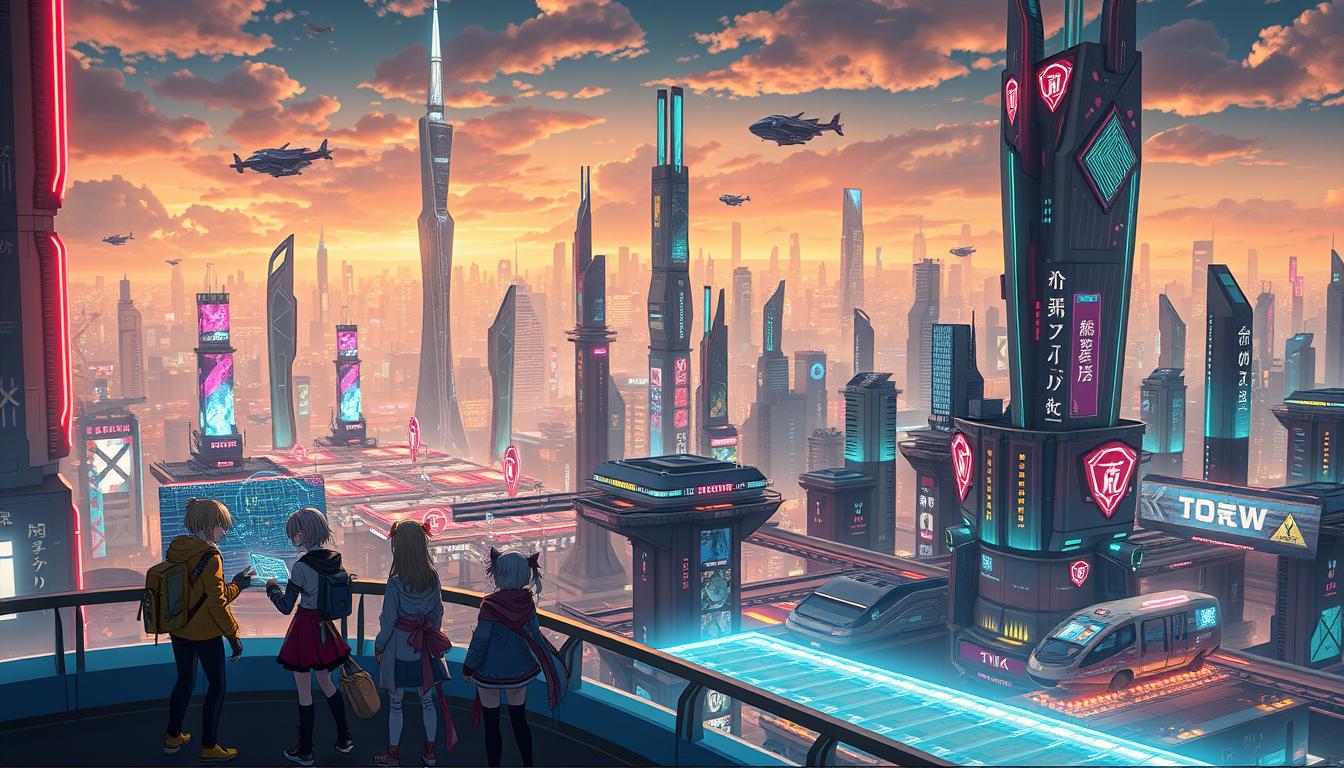
Anime dubbing has undergone a significant transformation over the years. From its early days of poorly translated subs to the current era of Netflix originals, the industry has seen remarkable advancements. Initially, anime dubbing was marred by low-quality translations and synchronization issues.
The History of Anime Dubbing
The rise of popular anime series in the West led to an increased demand for better dubbing. Studios began investing in high-quality translations and voice acting, resulting in a more immersive experience for viewers. Today, anime dubbing is a sophisticated process, with many studios producing high-quality dubs that rival their original Japanese counterparts.
Key Takeaways
- The anime dubbing industry has evolved significantly over the years.
- Advancements in technology have improved dubbing quality.
- Netflix has played a crucial role in promoting high-quality anime dubs.
- The demand for anime has driven the industry to invest in better dubbing.
- Modern anime dubs offer a more immersive experience for viewers.
The Early Days of Anime Localization
The early days of anime localization were characterized by a mix of cultural exchange and misinterpretation, as the genre made its way to the West. This period laid the groundwork for the industry’s future, with various challenges and adaptations shaping the course of anime’s global popularity.
First Anime Exports to Western Markets (1960s-1980s)
The first anime exports to Western markets began in the 1960s and continued through the 1980s. Shows like Astro Boy were among the first to gain popularity, introducing audiences to the unique style and storytelling of anime. This era marked the beginning of a long process of cultural exchange, with anime serving as a cultural ambassador for Japan.

early anime localization
Challenges of Early Translation Efforts
Early translation efforts faced numerous challenges, including cultural nuances, idiomatic expressions, and the technical limitations of the time. Translators had to balance fidelity to the original content with the need to make it accessible to Western audiences. This often resulted in adaptations that were significantly different from the original material.
Notorious Localization Changes and Cultural Censorship
Localization changes and cultural censorship were common, with some content being altered or removed to comply with local standards. For instance, scenes deemed too violent or culturally sensitive were often edited out. A comparative analysis of these changes can be seen in the table below:
| Anime Title | Original Content | Localized Version |
| Speed Racer | Violent racing scenes | Edited to reduce violence |
| Astro Boy | Cultural references | Adapted for Western audiences |
The early days of anime localization were marked by significant challenges, but also by the enthusiasm of fans and the dedication of translators. As the industry evolved, so too did the approaches to localization, paving the way for the sophisticated dubbing and subtitling practices of today.
The Rise of Fansubs: Community-Driven Translations
As official anime dubs struggled to keep pace, fansubs filled the gap with community-driven translations. This phenomenon not only changed how fans consumed anime but also influenced the industry’s approach to localization.
VHS Trading Networks and Amateur Subtitling
In the 1980s and 1990s, fansubs emerged through VHS trading networks, where enthusiasts would subtitle and distribute tapes among themselves. This grassroots effort was driven by a desire for more authentic anime experiences. Amateur subtitling became a way for fans to engage with the content on a deeper level.
Internet Revolution and Digital Fansub Groups
The advent of the internet and digital technology revolutionized fansubbing. It became easier to create, distribute, and access subtitled content. Digital fansub groups formed, allowing for more coordinated and sophisticated translation efforts. This shift significantly increased the availability of fansubs and further pressured the industry to adapt.
The Ethics and Legal Challenges of Fan Translations
Despite their popularity, fansubs operated in a legal gray area, raising ethical and legal concerns. While they provided access to content that was otherwise unavailable, they also infringed on copyrights. The tension between fansubbers and copyright holders highlighted the need for more official and accessible localization options.
The rise of fansubs not only reflected the demand for anime but also pushed the industry towards more inclusive and timely localization strategies. As a result, the landscape of anime dubbing began to shift, paving the way for future developments in the field.
The History of Anime Dubbing: Professional Studios Emerge
As the anime industry expanded globally, professional dubbing studios emerged to meet the growing demand for localized content. This marked a significant shift in the industry’s approach to translation and localization.
Pioneering Companies in Anime Localization
Companies like Funimation, ADV Films, and Viz pioneered the professional anime dubbing landscape. They invested heavily in talent acquisition and technology to improve dubbing quality. Funimation, for instance, became synonymous with high-quality English dubs, starting with titles like Dragon Ball and One Piece.
Voice Acting Talent Development and Recognition
The growth of professional dubbing studios led to the development of specialized voice acting talent. Voice actors like Jason Douglas and Luci Christian gained recognition for their work, elevating the status of voice acting within the industry. This recognition also led to better compensation and more opportunities for voice actors.
The Adaptation vs. Accuracy Debate in Translation Philosophy
A persistent debate in anime dubbing revolves around the balance between adaptation and accuracy in translation. Some argue that adaptations are necessary to make anime more accessible to Western audiences, while others contend that accuracy is crucial to preserving the original intent and cultural nuances. This debate continues to influence the practices of dubbing studios.
Localization Controversies and Fan Backlash
Localization controversies have often sparked fan backlash. Changes to character names, dialogue, or cultural references can be particularly contentious. Fans sometimes perceive these changes as altering the essence of the anime, leading to heated debates about the merits of localization versus literal translation.
The emergence of professional anime dubbing studios has significantly impacted the industry, offering a range of localized content to global audiences. As the industry continues to evolve, the balance between adaptation and accuracy remains a central issue in the ongoing development of anime dubbing.
Watershed Moments in Anime Dubbing History
The anime dubbing industry has experienced significant milestones that have shaped its current landscape. These watershed moments have not only influenced the quality and accessibility of anime but have also played a crucial role in its global popularity.
Pokémon, Sailor Moon, and Dragon Ball Z’s Mainstream Breakthrough
The late 1990s and early 2000s saw a significant surge in anime popularity with the introduction of shows like Pokémon, Sailor Moon, and Dragon Ball Z to Western audiences. These series were among the first to achieve mainstream success, paving the way for other anime shows. As John Smith, a veteran anime voice actor, noted, “The success of Pokémon and Dragon Ball Z was a game-changer for the industry, bringing anime into the mainstream and changing how studios approached dubbing.”
Adult Swim, Toonami, and Cable Television’s Influence
The early 2000s witnessed the rise of Adult Swim and Toonami on cable television, providing a platform for anime that appealed to a wider range of audiences. These networks played a crucial role in introducing complex, action-packed, and sometimes adult-oriented anime to viewers who might not have been exposed to it otherwise. As
“Toonami was instrumental in bringing anime to a broader audience, offering a mix of action and drama that captivated viewers,”
noted anime historianJane Doe.
DVD Era and the Introduction of Dual Audio Options
The advent of the DVD era marked another significant milestone in anime dubbing history. DVDs introduced dual audio options, allowing viewers to switch between the original Japanese audio and the dubbed version. This technological advancement not only improved the viewing experience but also catered to both fans of the original audio and those who preferred the dubbed version.
Technological Advancements in Dubbing Production
The DVD era also saw significant technological advancements in dubbing production. Improved recording techniques, better sound quality, and more sophisticated editing software contributed to higher-quality dubs. These advancements enabled studios to produce dubs that were not only more faithful to the original content but also more enjoyable for audiences.
In conclusion, the watershed moments in anime dubbing history, from the mainstream breakthrough of Pokémon and Dragon Ball Z to the influence of Adult Swim and Toonami, and the technological advancements of the DVD era, have collectively shaped the industry into what it is today.
The Streaming Revolution and Netflix’s Impact
The streaming revolution has dramatically changed the landscape of anime dubbing. With platforms like Crunchyroll and Netflix leading the charge, the way anime is consumed and dubbed has undergone a significant transformation.
Crunchyroll, Funimation Now, and the Rise of Simulcast Culture
The rise of simulcast culture has been a game-changer for anime fans. Platforms like Crunchyroll and Funimation Now allow for near-simultaneous releases of anime episodes in multiple languages, catering to a global audience.
- Crunchyroll has been at the forefront of simulcasting, offering a wide range of anime titles.
- Funimation Now has also made significant strides in simulcasting, especially with its partnership with Crunchyroll.
Netflix’s Investment in Original Anime Productions
Netflix has made a substantial investment in original anime productions, marking a new era in the history of anime dubbing.
Notable productions include:
- Devilman Crybaby
- Castlevania
Devilman Crybaby, Castlevania, and Global Anime Production
These productions have not only showcased Netflix’s commitment to anime but have also highlighted the global nature of anime production. Collaborations between Japanese studios and international talent have become more common.
Global Simultaneous Releases and Their Effects on Dubbing Quality
Global simultaneous releases have raised the bar for dubbing quality. With the need to cater to a global audience, studios are now focusing on producing high-quality dubs that are released simultaneously with the Japanese versions.
The Shift Toward Global Dubbing Teams and Remote Recording
The shift toward global dubbing teams and remote recording has been a significant development. This approach allows for more flexibility and the ability to assemble talent from around the world.
Conclusion: The Future of Anime Dubbing
The history of anime dubbing has been a journey of evolution, from its humble beginnings with poor translations to the current state of high-quality productions. The industry has seen significant advancements, driven by technological innovations, changing consumer preferences, and the rise of streaming platforms.
Netflix’s investment in original anime productions has been a game-changer, enabling global simultaneous releases and raising the bar for dubbing quality. As the demand for anime continues to grow, the future of anime dubbing looks promising, with potential developments in AI-powered translation tools and immersive audio technologies.
The History of Anime Dubbing has shown that adaptation and innovation are key to success. As the industry moves forward, it is likely that we will see even more sophisticated dubbing techniques, further blurring the lines between the original Japanese content and its dubbed counterparts. The future of anime dubbing is bright, with new opportunities emerging for creators, distributors, and audiences alike.
FAQ
What is anime dubbing, and how has it evolved over the years?
Anime dubbing refers to the process of re-recording the dialogue of an anime production in a different language, typically for distribution in non-native markets. The evolution of anime dubbing has seen significant advancements, from the early days of poor quality and cultural censorship to the current era of high-quality dubs and simultaneous global releases.
What role did fansubs play in the history of anime dubbing?
Fansubs, or fan-subtitled anime, filled a gap in the market by providing translations for anime that had not been officially released in certain regions. This community-driven effort influenced the industry’s approach to dubbing and paved the way for the rise of professional anime localization.
How have professional anime dubbing studios impacted the industry?
Studios like Funimation, ADV Films, and Viz have played a crucial role in shaping the anime dubbing industry. They have developed voice acting talent, navigated the debate between adaptation and accuracy in translation, and addressed controversies surrounding localization.
What were some watershed moments in anime dubbing history?
The mainstream success of titles like Pokémon, Sailor Moon, and Dragon Ball Z, along with the influence of Adult Swim and Toonami, marked significant turning points. The DVD era brought dual audio options, and technological advancements improved dubbing production.
How has the streaming revolution affected anime dubbing?
Platforms like Crunchyroll and Netflix have transformed the industry with simulcast culture and original anime productions. Global simultaneous releases have impacted dubbing quality, and the industry has shifted towards global dubbing teams and remote recording.
What is the current state of anime dubbing, and what does the future hold?
The current state of anime dubbing is characterized by high-quality productions, global simultaneous releases, and advancements in technology. The future is likely to see continued growth, with potential developments in global dubbing teams, remote recording, and further investment in original anime productions.
How has Netflix influenced the anime dubbing industry?
Netflix has invested heavily in original anime productions, such as Devilman Crybaby and Castlevania, and has promoted global simultaneous releases. This has affected dubbing quality and pushed the industry towards more global and simultaneous releases.